Notes are where learning goes to hibernate. Paste what you've written, or snap a photo of the handwritten pages, and Interact turns your notes into flashcards you'll actually see again.
How it works
1. Bring your notes
Paste raw text or Markdown, or upload photos of handwritten pages and whiteboards. Lecture notes, meeting notes, book notes, all fine.
2. AI finds the substance
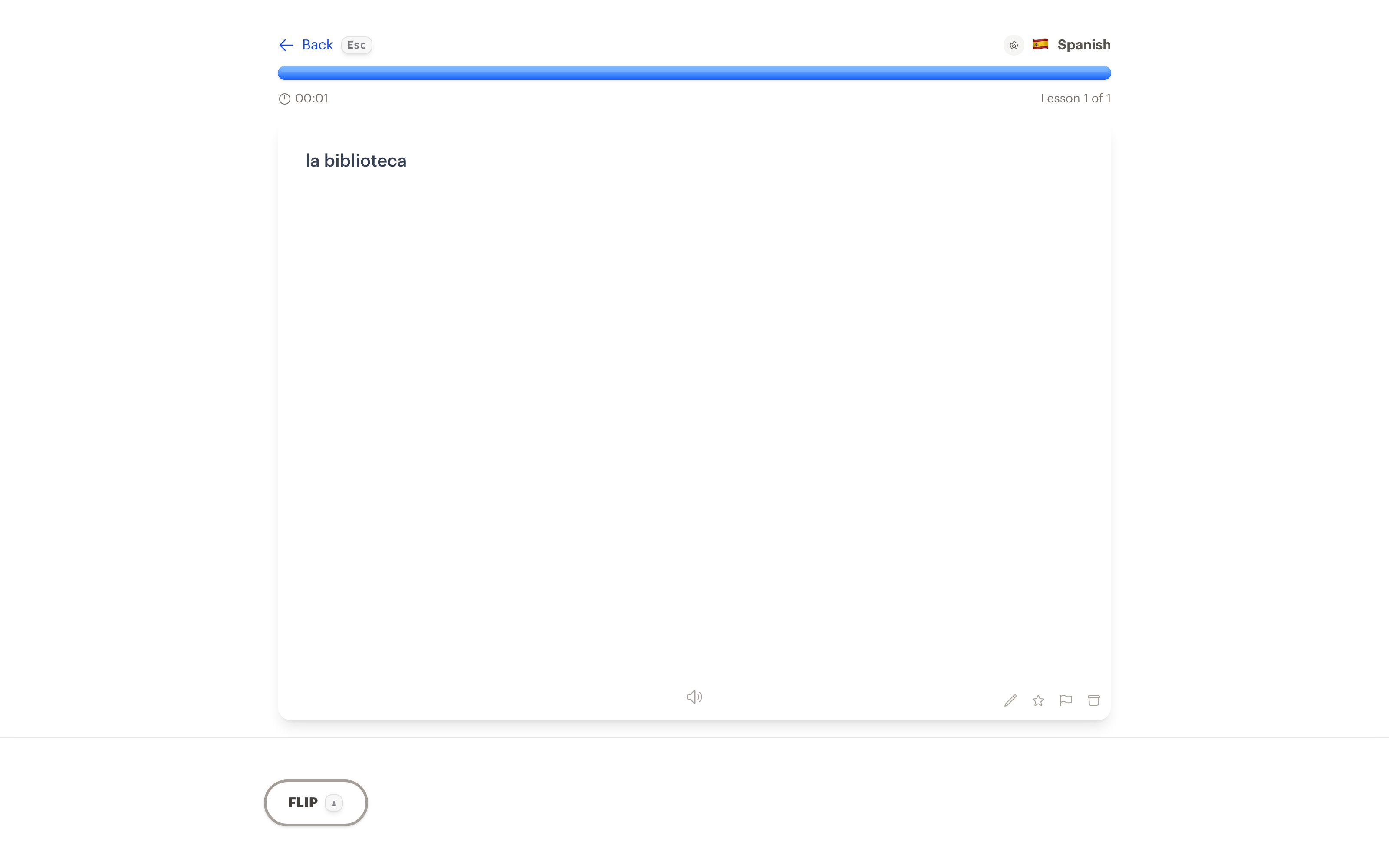
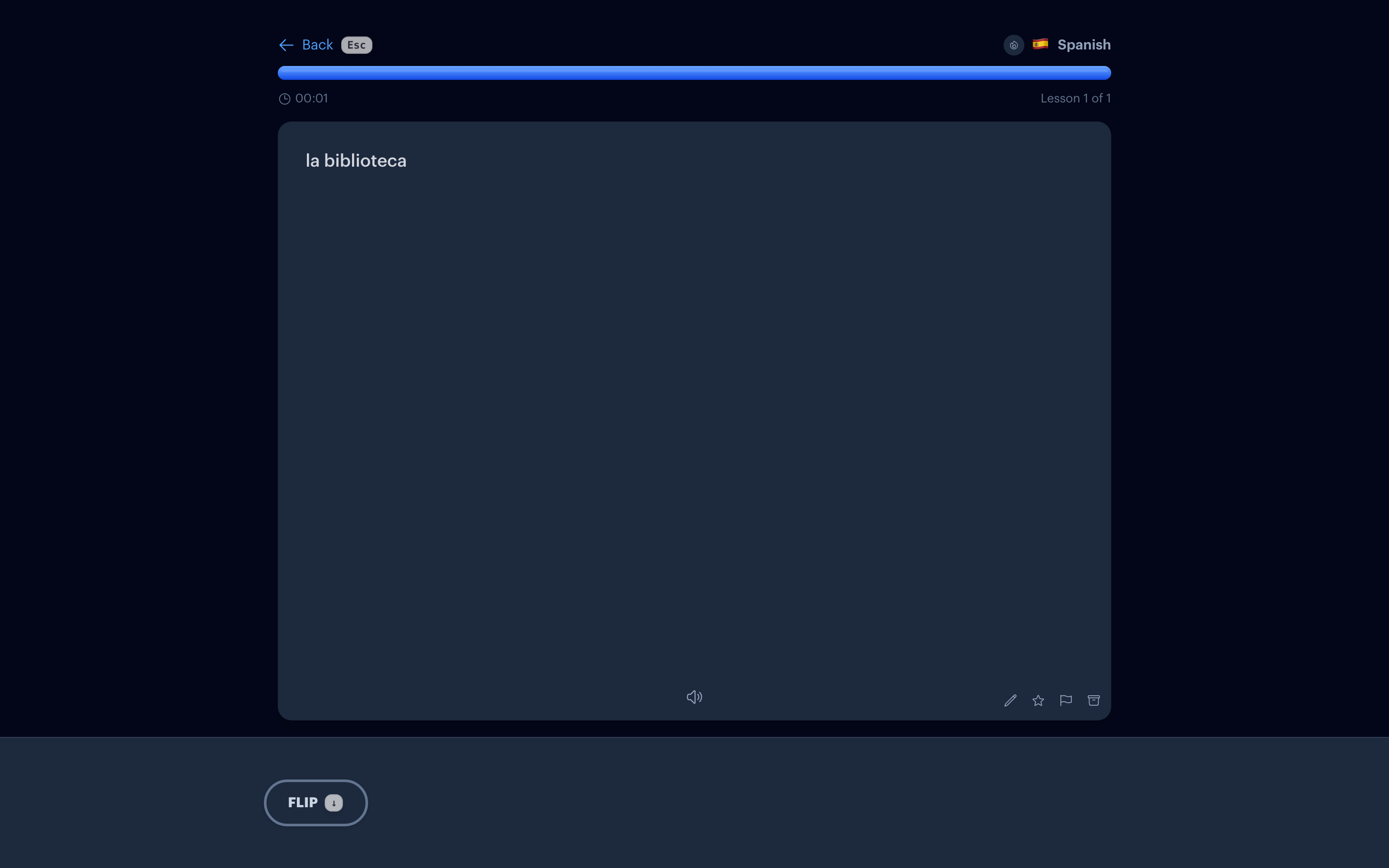
Interact pulls out the definitions, ideas, and details worth remembering and drafts exercises around them: flashcards, quizzes, fill-in-the-blanks, and typed answers.
3. You make the final cut
Every card is editable and nothing is saved until you approve it. Your notes, your judgment.
4. Review a little every day
Spaced repetition schedules the reviews so the material moves from your notebook into your head, a few minutes at a time.
Why notes alone don't stick
Writing notes helps you understand material once. Remembering it takes retrieval: being asked, answering, and being corrected. Turning notes into active-recall exercises is the difference between an archive and a skill.
Got source material instead of notes? Interact also generates from YouTube videos, PDFs, and web articles.
Common questions
Do handwritten notes really work?
Yes, upload a photo and Interact reads what it can. Clear handwriting works best. You review everything before keeping it, so misreads don't sneak in.
Is it free?
The free plan includes 10 AI generations a month. Writing cards yourself is unlimited on every plan, and plenty of people mix both.
How is this better than rereading my notes?
Rereading feels familiar and fades fast. Retrieval practice with spaced repetition is one of the most consistent findings in learning research, and it's built into every card you make here.
Can I organize notes by class or topic?
Yes. Cards live in subjects you define, so biology notes and guitar notes stay separate, each with their own goals and resources.
Your notes deserve a second life
Get Started Free
No credit card required
Used for
See how this fits into studying a whole subject.
More ways to learn with Interact
YouTube to Flashcards
Paste a video link and get flashcards, quizzes, and fill-in-the-blanks built from it.
YouTube to Quiz
Generate a multiple choice quiz from any YouTube video and edit every question.
PDF to Flashcards
Upload lecture slides, textbook chapters, or photos of notes and study them as flashcards.
Website to Flashcards
Turn any article or webpage into study material by pasting the link.
Visual Flashcards
Put an AI-drawn picture on the back of a vocabulary card instead of a translation.
Fetch Image
Name a painting, a landmark, or a species and the picture lands on your card.
Image Occlusion
Mask the labels on a diagram or map and quiz yourself on what is underneath.
Type the Answer
Exercises that make you type what you know, with grading that forgives typos.
Interactive Lessons
Five lesson types with animations, sound effects, and keyboard shortcuts that keep review fun.
Flashcards on Apple TV
A native tvOS app for reviewing your queue on the big screen.
Flashcards on Apple Watch
Dictate card ideas from your wrist and they land in your study queue.
Personal Curriculum
Organize subjects, goals, and resources for everything you are learning.
Progress & Streaks
Track a daily streak, watch goals move, and catch follow-ups without breaking focus.
Ask
Ask a question, then say what to build or change. No clicking through screens.


Made with
in Orlando, Florida.
© 2026 Create With LLC. All rights reserved.